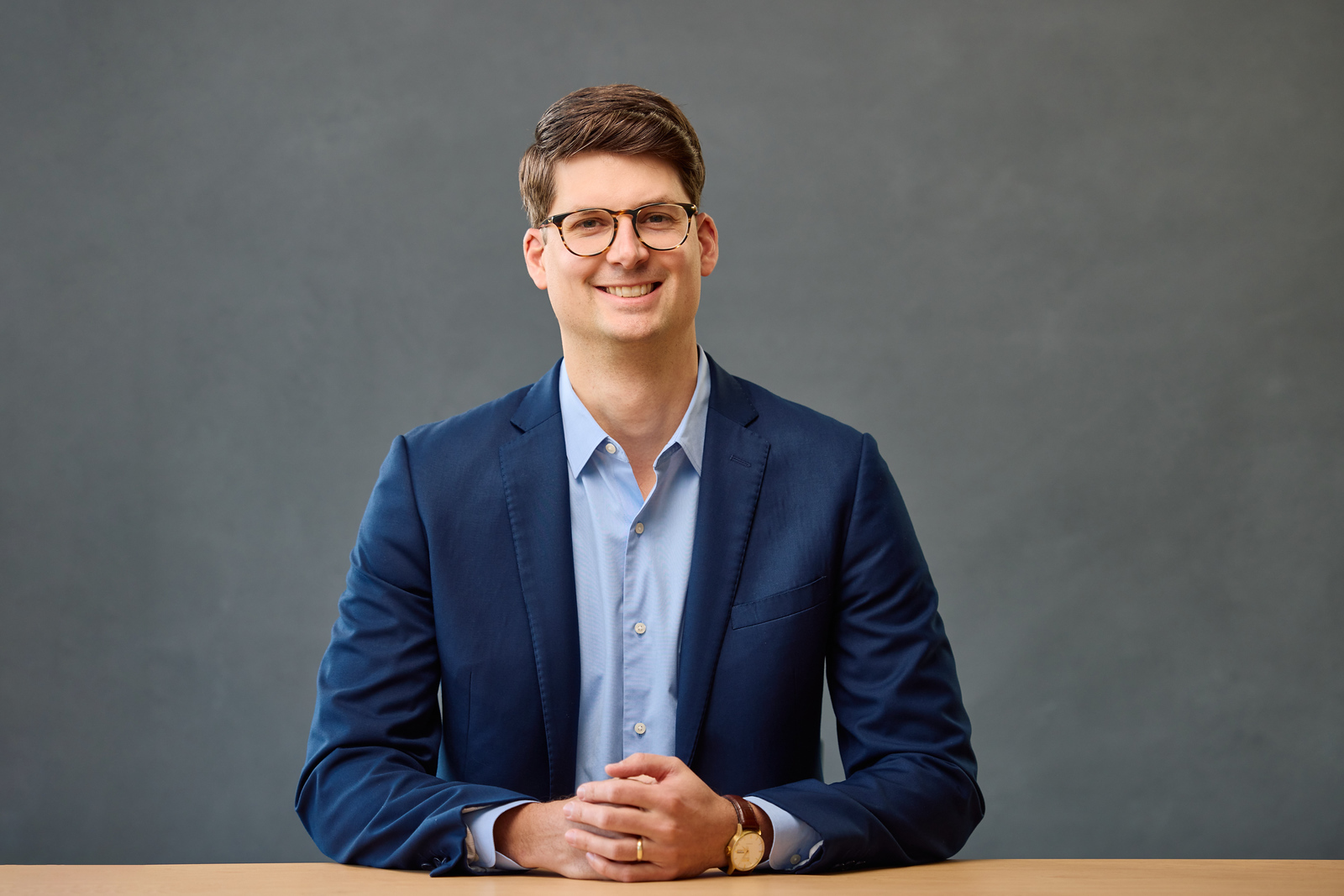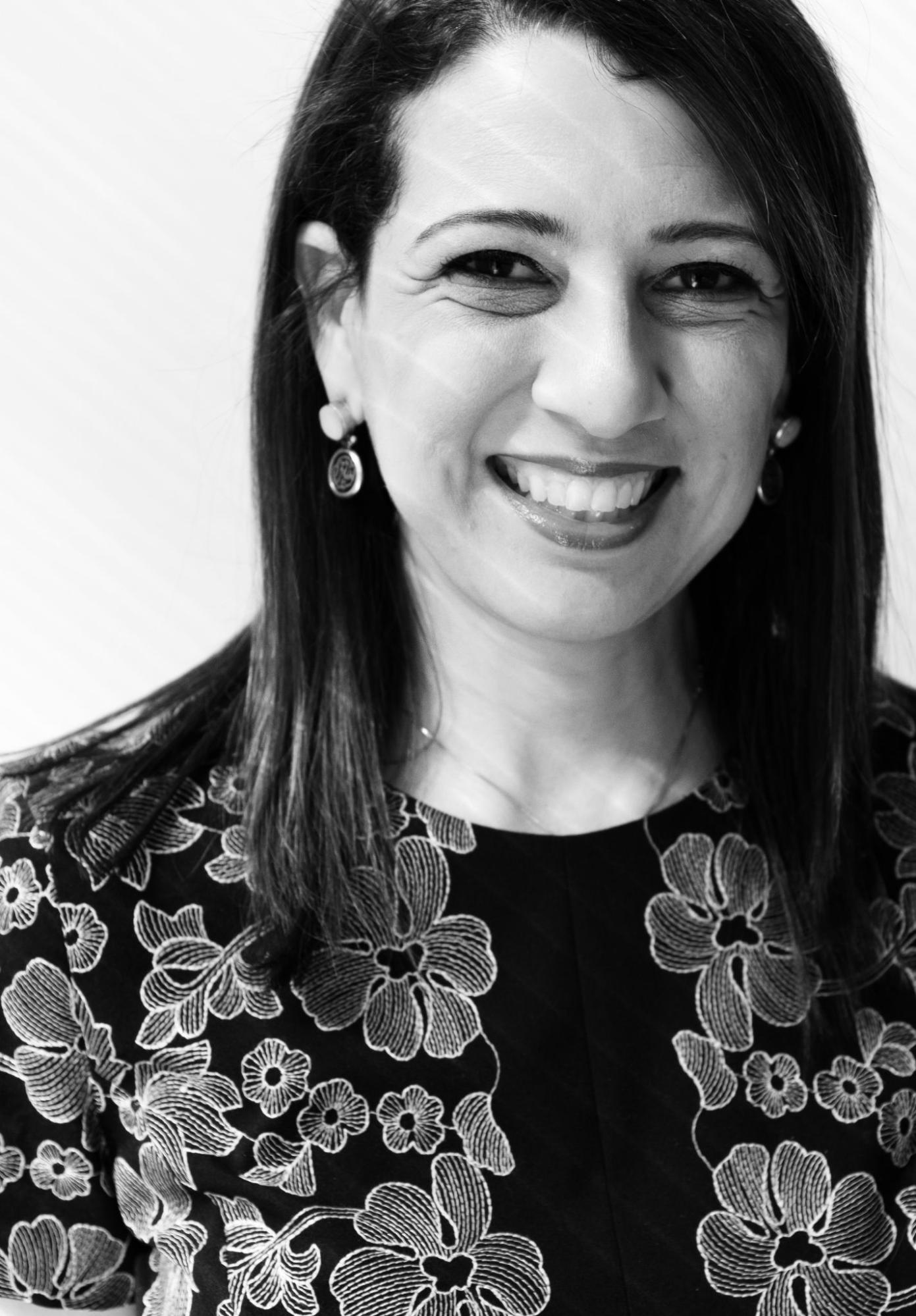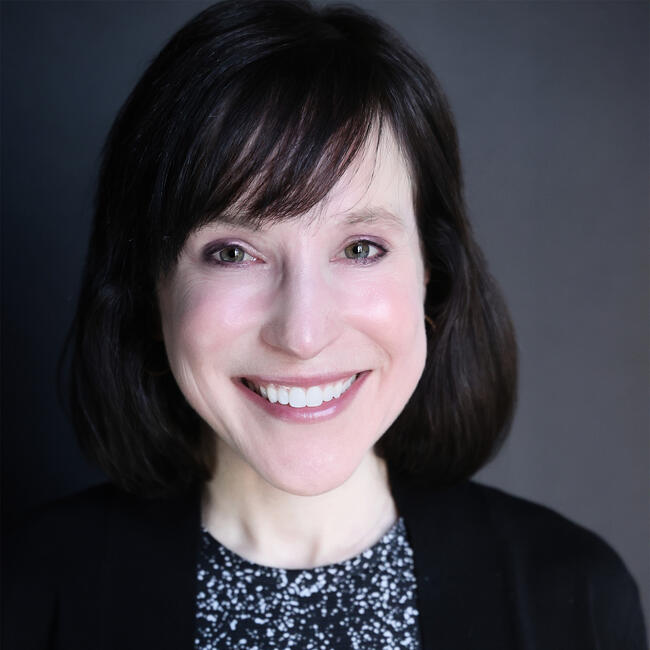
Dr. Lisa Rosenbaum is a practicing cardiologist, Assistant Professor at Harvard Medical School, and a national correspondent for the New England Journal of Medicine, a leading, peer-reviewed medical journal. She writes about challenges facing physicians, including burnout, artificial intelligence, and cognitive bias. In the most recent season of her podcast, “Not Otherwise Specified,” she spoke to primary care physicians and healthcare experts across the country to learn about the benefits of a strong primary care system and the challenges it currently faces.
Rishabh Rao: What have you learned about what makes primary care so special, important, and worth talking about?
Lisa Rosenbaum: What makes it special and important is that it is the foundation of the entire healthcare system. It has a structural role within medicine, but also a spiritual role in that it is where people tend to have the most long-lasting relationships.
In the old-school version of the primary care system, primary care doctors often cared for multiple generations of patients. In that sense, there is a communal role to primary care. A lot of people who practice in smaller towns are well-known and respected in the way that we used to think about the role the doctor played in society. It’s special because it requires a really unique expertise that we undervalue, but you have to know a lot about a lot of things and that’s also really hard.
You asked why we should pay attention to it. It’s drastically undervalued—both within medicine and outside of medicine—not just in terms of how we pay people but in the respect that we bestow upon them. It’s also under threat of extinction because we face a looming workforce shortage and fewer trainees in medicine are entering. While we have a lot of advanced practice practitioners who are picking up some of that slack, I don’t think there are enough entering to account for that looming shortage.
We are also already facing an access crisis, and a lot of people can’t get primary care doctors. That leads to a lot of unnecessary emergency department visits because when people can’t get care, that’s where they go. That increases the cost of care for everybody else. In a sociological way, it contributes to the fracturing of our relationship with society. It contributes to an erosion of trust. When people don’t have a relationship with a doctor, they are much more inclined to seek information and expertise elsewhere.
RR: Can you talk more about how primary care is devalued culturally within medicine?
LR: The acculturation happens the second you enter medicine. You just sort of intuit that primary care is on the bottom of the hierarchy.
There are real structural changes too. For instance, look at hospitalism as a movement. It used to be that primary care doctors would take care of their patients in the hospital when they were admitted, and now hospitalists do that instead. There has been a real structural severing of the relationships between the inpatient and outpatient care teams. That has a lot of consequences. It can be bad for communication and patient care, but I also think it has undermined the reverence that primary care doctors deserve in terms of seeing what somebody who has been taking care of others for a long time can actually offer. There is a cultural aspect that is very hard to measure that has shifted. We don’t see primary care doctors in action, and we don’t see the benefits of those long-term relationships as much as we used to.
RR: Where do you think the solution to that lies?
LR: Any cultural change has to be organic. The least helpful thing is just saying we need to value primary care more. It is going to have to come from people being exposed to very high-quality primary care where the physicians are feeling gratified in their work. A lot of students are exposed to the very real problems of the profession: They see how burned out people are, see people leaving, and see how hard they’re working on any given day. The practice has to change and then students will organically appreciate it. My dream for primary care is for the best people in every class to be choosing primary care because they see the magic and the beauty of it, and something about it that requires extreme intelligence.
RR: Do you think that by severing our relationship with primary care, we are eroding the idea of the ‘good doctor’ and with it, our trust in the healthcare system?
LR: In a recent essay, I wrote about what happens to medicine without the good doctor. I wrote about covering my cardiology colleague and how anxious it would make me wanting him to approve of my decisions.
There was one moment where a patient of his paged me on a Saturday morning in medical distress. I sent her to the emergency department and she was calling me en route. She said to me, “You have to tell Dr. H, he would want to know.”
I think about that all the time. What does it mean to be a doctor who conveys to his patients that he would want to know? That is the essence of the trusting relationship in primary care. We have really lost sight of how much that matters to people. So many people feel like their care is fragmented. They always say we don’t talk to each other, and we don’t often convey to people that we want to know what is going on with them. We want to know what all of their other doctors say. We want to know when they aren’t feeling well.
But what I’m trying to get at is a deeper question of what makes us good in medicine: How do we learn how to be good doctors? Primary care again plays this foundational role in modeling why relationships matter. I don’t mean this in a touchy-feely way. For instance, if you have a patient who never says “ouch” and suddenly they’re calling you on a Saturday morning, you’re going to be paying a lot more attention to that than somebody who messaged you every day because they’re anxious about their kids and it gives them chest hikes. That isn’t trivial. The best primary care doctors model that for the rest of us, and it’s really important in all aspects of medicine.
Having high-quality primary care—this is a belief, not something I can prove—would be the most cost-saving thing for our system. When you see a good internist, they don’t do unnecessary things. They know when somebody needs more, and they know when they can do less. When you don’t know a lot, you refer a bunch and you order a bunch of tests. It’s what you do when you’re uncertain and not confident in your clinical skills.
RR: I want to discuss how we can reduce costs across our health care system. Some alternatives to the traditional fee-for-service model are to give value-based payments based on the quality of care provided or to give capitation payments (fixed payments based on number of patients and not services provided). What is your perspective?
LR: We are in a moment when everyone thinks that at least some sort of capitated risk-adjusted payment system will be better than fee-for-service. I just think so much about human motivation, and I see that there are lots of problems with that approach. First of all, you lose the incentive to work as hard as possible on cases. There is something valuable about getting reimbursed for the time that you spend, and I don’t think that the value-based or capitated model deals with that aspect of primary care. There are also uncompensated tasks that we have to be thinking about how to reimburse.
I also don’t think we can measure what matters. For example, we want people’s blood pressure under control. That is important. However, you can be a really good doctor and your patient’s blood pressure might not be within the range. Suddenly, you’ve created an incentive for a whole bunch of behaviors to make sure it’s in range.
We are dealing with finite resources. That means you hire people to be hassling you about your patient’s blood pressures. When you’re working within these systems, you don’t feel like anybody really cares about anybody’s blood pressure. What you sense is that everybody cares about getting the boxes checked. That erodes morale.
RR: What have you learned about the role the government plays in primary care and the challenges that primary care is facing? How can we solve those issues at a governmental level?
LR: The government runs Medicare and Medicaid, and the government has this advisory committee called the Relative Value Scale Update Committee, which is run by the American Medical Association. They have a process by which they set the fees or make recommendations about what the fees should be for physician reimbursement. Many people look at this as one of the root ills of primary care’s financial decline because the fees for evaluation and management—and for cognitive specialties in general—are lower than they are for procedural specialties. That creates an income gap, which also likely contributes to some of the choices that people are making about specialties..
At this point, roughly 5 percent of all healthcare dollars are spent on primary care while primary care accounts for about 35 percent of outpatient visits. While that tells you a lot about some of the payment disparities, it doesn’t exactly tell you how to fix them. It’s very easy to say we should spend more on primary care. It’s much harder to understand why we don’t. Even in the few instances where they tried to increase the reimbursement for some of the billing related to cognitive tasks, what they have seen is that everybody doing cognitive work just also increased their billing of various codes. It didn’t actually mitigate the inequities between primary care and other specialties.
When you speak to a lot of primary care doctors, however, many are not looking for more money for themselves. They’re looking for more resources for their patients: behavioral health resources, mental health resources, social work resources, things like that. This is so when they, for instance, do a screen for social determinants of health, they can actually help their patients get the resources they need. Some of where primary care is suffering is just that our social safety net is suffering. That isn’t a problem for medicine to solve. That’s a problem for our government to solve in other ways.
RR: What does your ideal primary care system look like?
LR: I would have as many as possible in independent practice. I would make it financially possible for them to be in independent practice, which means lowering their overhead costs and having fewer difficult administrative tasks. For instance, meeting all these quality measures requires extracting data that requires computer plugins. There is a tremendous investment and that might not be your thing. You went into medicine to be a doctor; now you’re suddenly running a business and having to do all sorts of other things. You can see why it might be appealing to be bought.
Another thing: One phrase I heard in my reporting was the “dumbing down of primary care.” There is a general feeling among some that a lot of the “checklist-y” preventive tasks, perhaps, don’t need to be done by a physician. There could be better ways to define what the scope of primary care should be. For example, a nonphysician could be doing things like administering vaccines, making sure people are up to date on their cancer screenings, and things like that. I would farm off a lot of it.
Then, I would leave the more complex decision-making to physicians: for instance, the care of people with multiple chronic diseases or challenging social situations, where physicians are trained to do good work and where judgment and relationships come into play. One of the things that strikes me, especially as a specialist, is that even somebody with advanced heart failure, for example, could see a heart failure doctor and then see an electrophysiologist before deciding whether they want a defibrillator. A lot of those patients want to know what their primary care doctors think. Primary care doctors should be in a position where they can help a patient navigate difficult situations. This isn’t to suggest that the specialists aren’t doing their jobs, but it is pretty remarkable what people want in their relationships with the healthcare system, and how much they want the wisdom of their primary care doctors specifically.
*This interview has been edited for length and clarity.